How to tell a refinery unit in commissioning from one still under construction
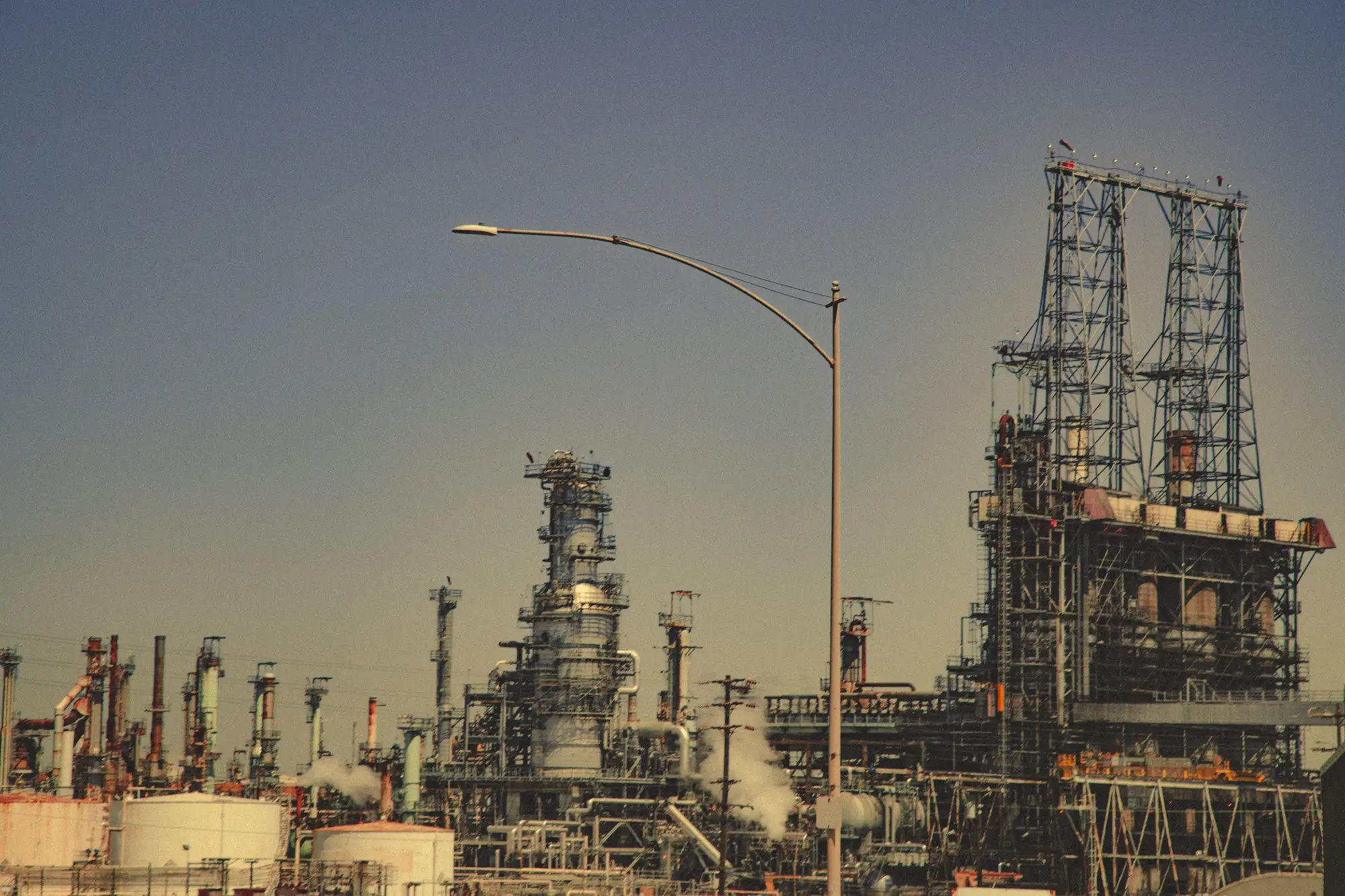
If you've spent any time staring at site photos trying to figure out whether a unit is weeks from first oil or still months out, you know the frustration. The contractor's schedule says mechanical completion is "on track." The overhead imagery you're looking at doesn't obviously confirm or deny that. So what should you be looking for?
The honest answer: commissioning and construction look similar from a distance, but they leave different fingerprints on the ground. Once you know what those fingerprints are, a unit's stage gets a lot easier to read from imagery alone, no site visit required.
Mechanical completion isn't a finish line, it's a handoff
Mechanical completion means the piping is in, the equipment is set, and the unit is ready to hand from construction to commissioning. It doesn't mean the unit is close to running. A lot of time can pass between mechanical completion and startup, and that gap is exactly where schedule slippage hides, because it's the hardest phase for an outsider to verify against the contractor's own reporting.
From the air, mechanical completion shows up as a kind of stillness. Scaffolding is still up in places, cable trays are visible, laydown yards still hold spare modules and pipe spools. The unit looks finished in outline but unoccupied in function. No vapor, no flaring, often no obvious change in traffic patterns around the unit for weeks at a stretch.
What commissioning looks like from above
Commissioning is noisier. Once a unit moves into functional testing, you start seeing activity that construction doesn't produce:
Scaffolding comes down in sections rather than all at once, as crews clear areas for testing. Insulation and cladding go on late, often visible as a color and texture change on piping runs and vessel shells that weren't there in the prior month's pass. Flare activity picks up, sometimes as short test flares, sometimes sustained, as systems are purged and pressure-tested. Steam plumes appear where they didn't before, tied to boil-out and steam-blow activity. The vehicle mix in the parking areas and laydown yards shifts, fewer flatbeds and cranes, more pickup trucks and smaller service vehicles, as bulk construction crews roll off and commissioning technicians roll on.
None of these on their own proves a unit has entered commissioning. Flaring happens during construction too, for unrelated reasons. But the pattern across two or three consecutive monthly looks, scaffolding thinning, cladding appearing, traffic composition changing, is a reliable tell that a unit has crossed from being built to being tested.
The signs that predict startup readiness
If you're trying to get ahead of a startup date rather than just confirm a stage, watch for the sequence rather than any single frame. A unit that's truly closing in on startup tends to show laydown yards nearly empty, scaffolding gone except around a handful of tie-in points, cladding complete across the unit rather than patchy, and recurring flare or vent activity consistent with a commissioning sequence rather than a one-off event. When that combination holds across two or more monthly captures, it's a solid read that a unit is genuinely closing in on startup, with the physical work on the ground backing up the schedule story.
The reverse pattern matters just as much. If a unit shows commissioning-type activity one month, then scaffolding goes back up and cladding gaps reappear the next, that's rework. Contractor status reports tend to smooth this kind of reversal over.
This is the gap an independent read closes. Comparing the same unit month over month from outside the fence is a different exercise than reading a progress narrative. Refinery Progress tracks module placement and structure growth against the planned startup date using that kind of monthly imagery comparison, so traders, lenders and EPC teams aren't stuck taking the contractor's word for which stage a unit is actually in.
If you're carrying exposure to a startup date and want a monthly outside read on where a unit really sits, that's the problem this site is built around.