What hook-up and commissioning is, and why a structure-growth read won't show it
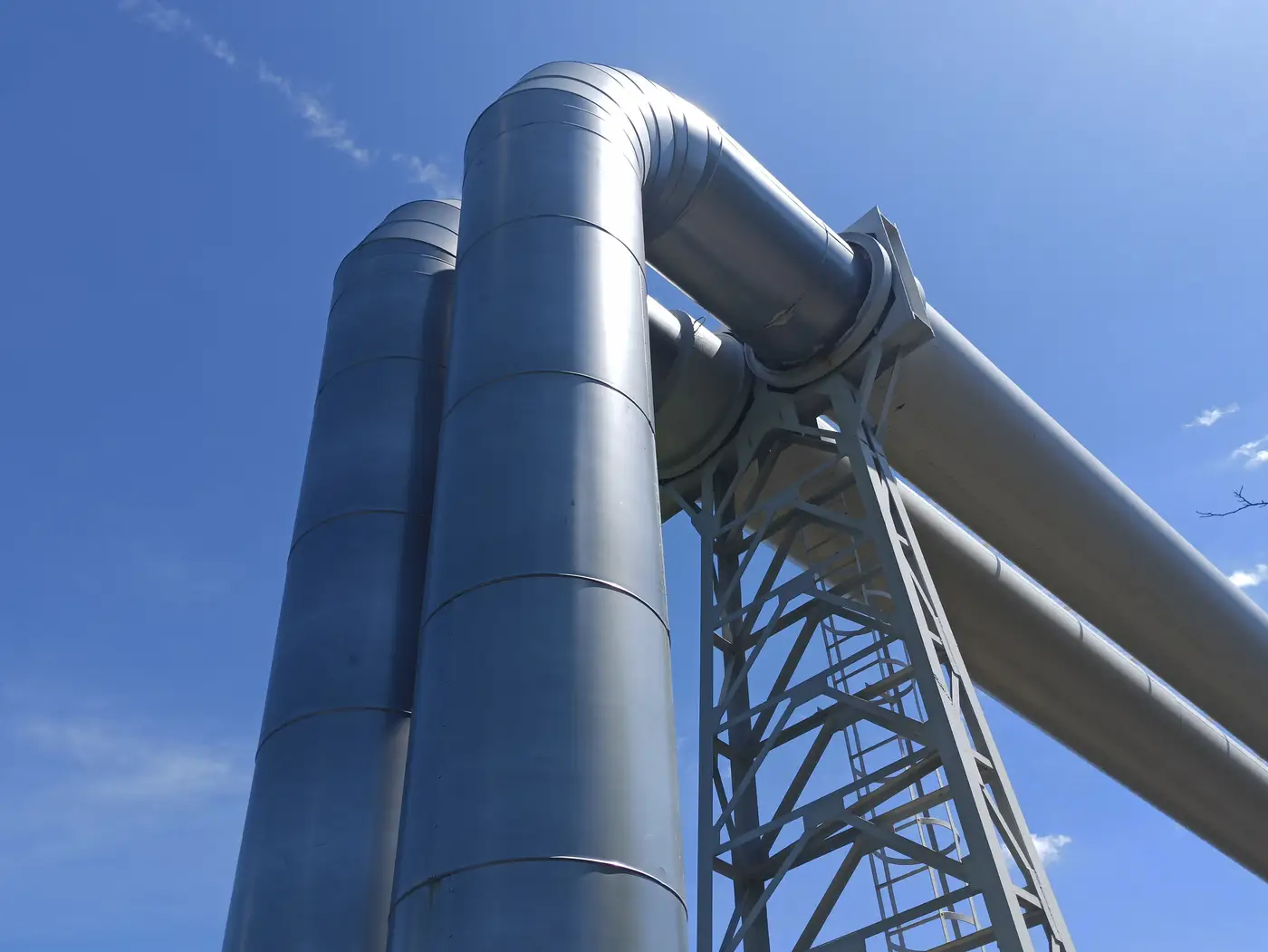
Hook-up and commissioning, usually just called HUC, is the phase where a plant stops being a construction site and starts becoming a working refinery or LNG train. Modules are set, piping is tied in, and the steel is basically done growing. What's left is the part nobody can see from above: loop checks, instrument calibration, nitrogen purges, cold and hot commissioning, and the long slog of punch list closeout before anyone signs off on ready-for-startup.
This matters because if you're watching a project's progress from outside the fence, whether as a lender tracking draw schedules or a trader positioning around a startup date, the thing you can actually measure (module placement, structure growth, pipe rack completion) stops telling you much the moment HUC begins. The project can look finished in a photo and still be four to six months from first product.
Mechanical completion vs. commissioning: where the line falls
Mechanical completion (MC) is a specific, documented milestone. It means the physical plant is built according to the issued-for-construction drawings: piping is installed and pressure tested, equipment is set and aligned, electrical is terminated, instrumentation is mounted. MC is the handoff point where the project moves from "construction crews finishing structure" to "commissioning crews starting systems."
Commissioning is everything after that. Pre-commissioning covers flushing, blowing down lines, running motors solo, checking rotation and alignment. Commissioning proper brings in utilities, nitrogen or inert gas, and starts functional testing of systems as integrated units rather than isolated equipment. For an LNG train specifically, this is where you get cooldown of the main cryogenic heat exchanger, introduction of refrigerant, and the sequence toward first LNG production. It's wiring diagrams becoming working control loops, calibration checks, and signed test records, none of which adds a visible module to the yard or a new course of steel to a tank.
This is also where owner's engineers, licensors, and vendor specialists show up on site in numbers that dwarf the civil and structural crews from six months earlier. A plant can hit mechanical completion with a workforce heavy on pipefitters and welders, then shift to a commissioning workforce that's mostly instrument techs and control systems engineers, people a VHR pass has no way to count or categorize.
Why structure growth flatlines before startup risk does
A monthly structure-growth read, the kind built from VHR imagery and change detection month over month, is genuinely useful for the part of the schedule it covers. It tells you whether modules are landing on the pads where the EPC's schedule says they should, whether pipe rack sections are going up on pace, whether the tank farm is tracking against plan. That's real signal, and it's independent of whatever the contractor's monthly report says.
But structure growth is, by definition, a physical-construction signal. Once a unit hits mechanical completion, the curve flattens out near 100% whether the project is three months from RFSU or nine. The risk that determines the startup date, punch list burn rate, commissioning test failures, instrument loop rework, permit and regulatory sign-off, vendor technician availability, doesn't move a single module or add a single square foot of new structure. It happens inside control rooms, in test procedures, and in paperwork, none of which shows up in an overhead image.
That's the gap worth naming plainly: a progress read built on structure growth is a leading indicator for the construction phase and goes quiet right when the schedule risk that matters most to a lender or trader, the gap between mechanical completion and actual startup, starts accumulating.
What this means for how you read a structure-growth report
None of this makes a monthly structure read worthless. It means knowing what question it answers. A flattening growth curve is a useful trigger: it tells you the project has likely crossed from structural construction into HUC, and that it's time to lean on other sources, FEED documents, contractor punch list counts, regulatory filings, for the commissioning-phase risk a structure-growth signal was never built to catch.
Refinery Progress tracks module placement and structure growth against the planned startup date from monthly VHR imagery, and it's built for exactly that construction-phase window. Take a look at how the monthly read works if you want an outside-the-fence check on the build itself before the project moves into HUC.